
 Proudi
 Premium Raw Kangaroo And Beef Frozen Dog Food
$30.59
Add to Cart ↗Reference content from Pet Circle. The local product selection is incomplete. Current pricing and availability are confirmed on Pet Circle. View original page ↗
14 collected products · Reference prices in AUD
Proudi$30.59
Add to Cart ↗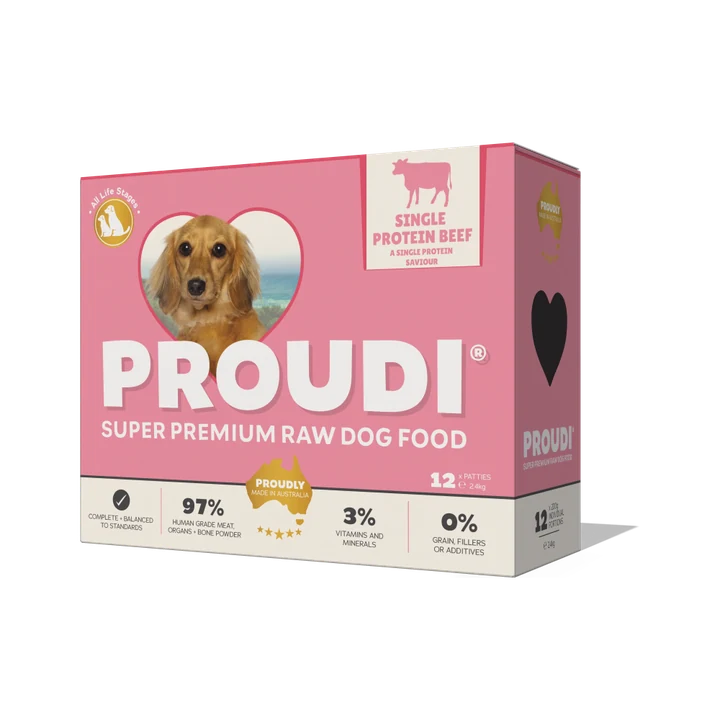 Proudi
$29.74
Add to Cart ↗ Proudi
$26.34
Add to Cart ↗ Proudi
$29.74
Add to Cart ↗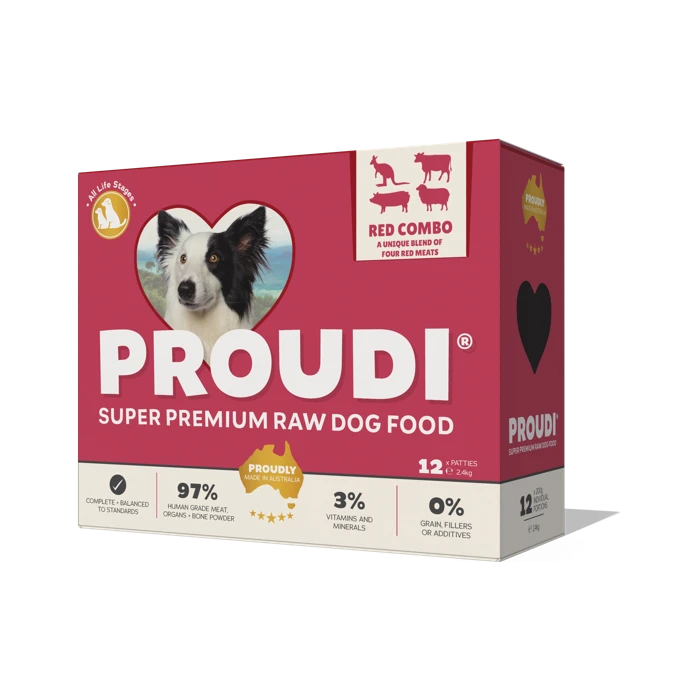 Proudi
$31.44
Add to Cart ↗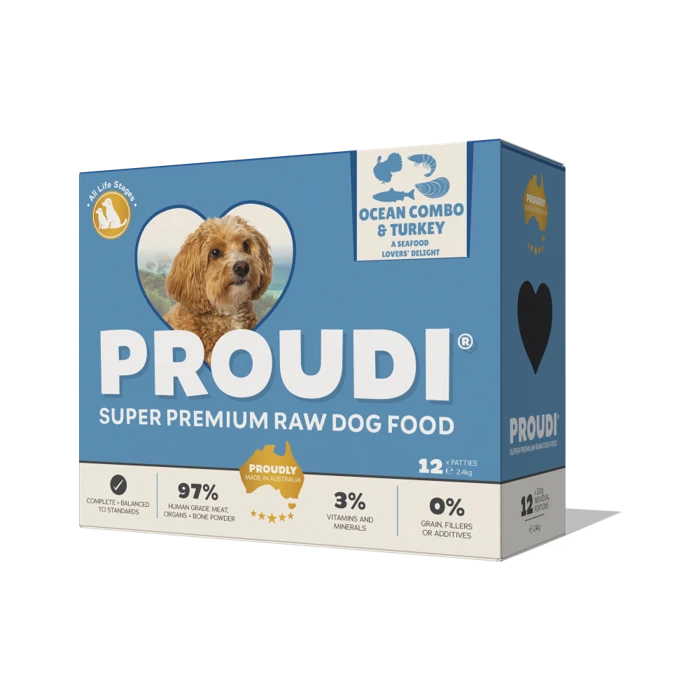 Proudi
$39.09
Add to Cart ↗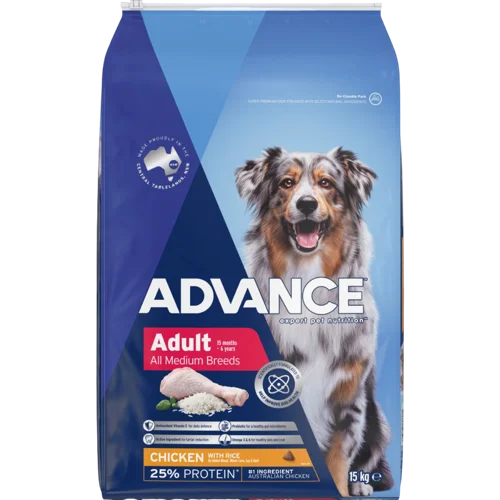 Advance
$138.99
Add to Cart ↗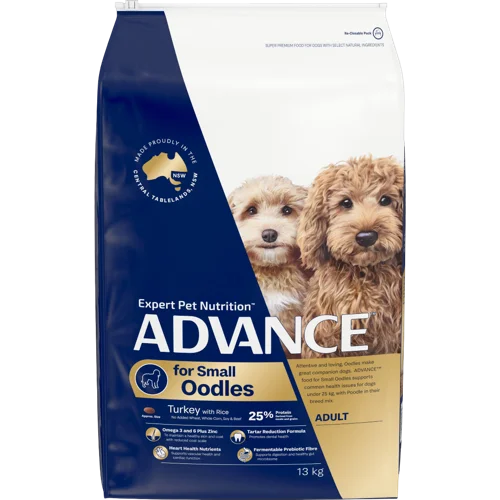 Advance
$138.99
Add to Cart ↗ Advance
$178.99
Add to Cart ↗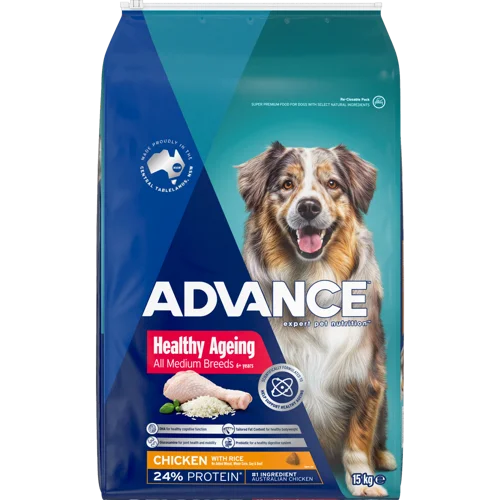 Advance
$125.09
Add to Cart ↗ Advance
$125.09
Add to Cart ↗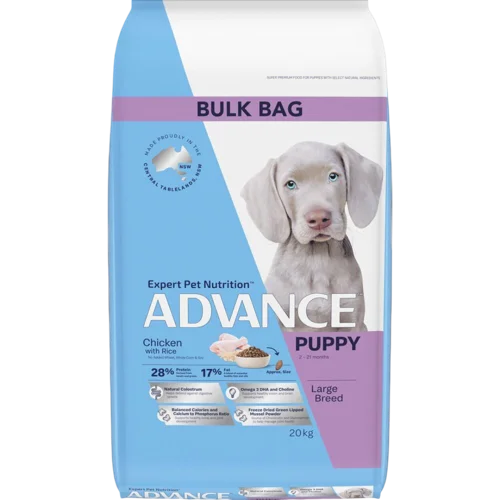 Advance
$178.99
Add to Cart ↗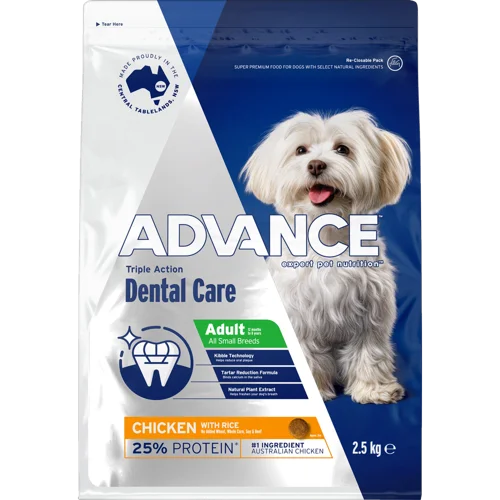 Advance
$38.24
Add to Cart ↗ Advance
$45.99
Add to Cart ↗Fuel your furry friend with our wide range of premium dog food, designed to support every canine’s health, taste preference, and lifestyle. From dry dog food (kibble) that promotes dental health and convenience, to wet dog food packed with rich flavour and hydration, our selection ensures there’s something to satisfy even the fussiest eaters.
For dogs that thrive on a natural diet, explore our fresh and frozen meals that mirror ancestral nutrition, or try freeze-dried and air-dried options for a nutrient-rich, minimally processed alternative. We also stock dog food toppers to boost mealtime excitement and variety.
Puppies, adults, and senior dogs all have unique nutritional needs - which is why our range includes puppy food for healthy growth, grain-free and sensitive formulas for allergies, and prescription or vet-approved diets for specific health concerns.
Shop trusted brands like Advance, Royal Canin, Black Hawk, Eukanuba, Hill’s Science Diet, Ziwi Peak and more, with recipes tailored to support everything from shiny coats to strong joints and overall vitality.
Whether you’re feeding a growing pup, an active working dog, or a senior with special requirements, our dog food range makes it easy to find the right fit. Nourish your dog with meals that are not only delicious but also scientifically formulated for complete, balanced nutrition.
When it comes to dog food, there's no one size fits all. As a general rule, choose high quality, complete and balanced foods that have been designed to support your dog's overall health and wellbeing in a variety of ways including: being highly digestible, containing extra beneficial nutrients such as omega fatty acids for skin and coat health, and being balanced to suit your dog's size, breed, lifestage or other health needs. Good quality foods will also have strict quality control measures in place for sourcing ingredients, as well as manufacturing the final product. For help finding the best food for your dog's needs, consult your veterinarian or chat with a Pet Circle Vet.
Pet parents these days are spoilt for choice when it comes to dog food, and with so many options available it can be hard to to choose. Look for brands that offer foods which are complete and balanced, formulated to meet AAFCO or FEDIAF nutritional guidelines for your pet's lifestage. In most cases, puppies will require different levels of nutrients such as protein, fat, vitamins and minerals to adult and senior dogs. Good dog food brands are transparent about the origin of their ingredients and the manufacturing process, focusing on providing a product that is safe and nourishing for your dog, rather than relying purely on marketing tactics and keeping up with trends. If in doubt about whether a dog food brand is a good one, check with your vet.
The number of meals a dog should have each day depends on their age and health. Puppies have a smaller stomach and typically need to eat three to four times a day, while adult dogs typically eat twice daily. Large breed and giant breed dogs who are at risk of bloat, dogs with digestive concerns and those on weight management regimes generally should eat smaller amounts more frequently.
When reading a dog food label, focus on high-quality protein sources listed as the first ingredient, followed by whole grains or vegetables. Ensure the food includes a balanced mix of nutrients such as vitamins and minerals, and avoid products with artificial preservatives. When reading the dog food label, check to see if there is an AAFCO statement or similar, such as 'is formulated to meet the nutritional levels established by the AAFCO Dog Food Nutrient Profiles for adult maintenance'. Some cheaper and supermarket dog foods will have 'and/or' in their ingredients listings (e.g. chicken and/or pork) which means that the ingredients can vary from batch to batch depending on availability and cost. While these recipes are often still complete and balanced, the variation from batch to batch can cause tummy upsets in some pets.
Raw dog food, or "BARF" (Biologically Appropriate Raw Food) diets, may offer benefits like better taste, lower calorie density, higher nutrient availability and improved gut microbial diversity. However, it’s important to ensure the diet is nutritionally balanced and prepared safely to avoid potential health risks. Homemade or improperly prepared raw foods can result in nutrient imbalances and all raw foods present a health risk to humans in the household. It is not recommended to feed a raw diet to your dog if there is someone pregnant, elderly, living with children under 5 years of age or someone in the household who is otherwise immunocompromised. Consult your vet to determine if a raw food diet is appropriate for your dog and to help formulate a balanced meal plan.
Yes, mixing wet and dry dog food can be beneficial as it combines the advantages of both types. Wet dog food can provide additional moisture and flavour, while dry food can help with dental health and convenience. Ensure the combined diet meets your dog's nutritional needs and consult your vet to adjust portion sizes and balance.
To transition your dog to a new food, gradually mix increasing amounts of the new food with the old food over a period of 7 to 10 days. This helps prevent digestive issues and allows your dog to adjust to the new diet. Monitor your dog’s response and consult your vet if you notice any adverse reactions.
Common signs of food allergies in dogs include itching, scratching, gastrointestinal upset (like vomiting or diarrhoea), and ear infections. If you suspect your dog has a food allergy, consult your vet for a proper diagnosis and guidance on finding an appropriate hypoallergenic diet.