
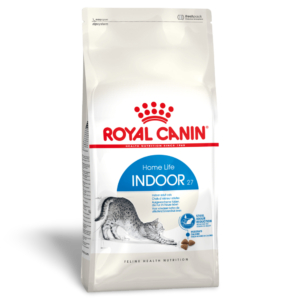
Dry Cat Food


Hill’s Prescription Diet T/D Dental Care Dry Cat Food
1000+ bought in the past month
$66.99
($2.23/100g)

Hill’s Prescription Diet C/D Multicare Stress Urinary Care Dry Cat Food
1000+ bought in the past month
$53.99
($3.00/100g)
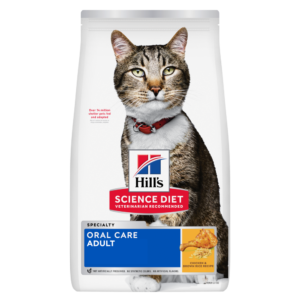
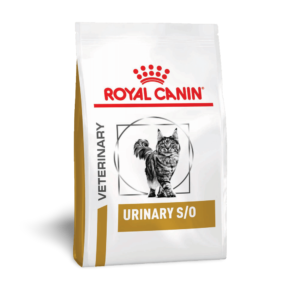
ROYAL CANIN VETERINARY DIET Urinary S/O Adult Dry Cat Food
1000+ bought in the past month
$137.99
($1.97/100g)

Hill’s Prescription Diet Gastrointestinal Biome Stress Digestive Fibre Care Dry Cat Food
1000+ bought in the past month
$60.99
($3.39/100g)


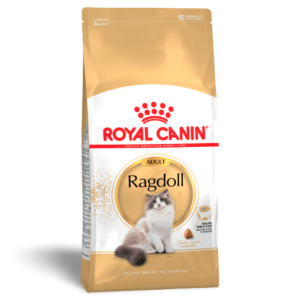
ROYAL CANIN Ragdoll Adult Dry Cat Food
500+ bought in the past month
Original price was: $56.99.$50.99Current price is: $50.99.
($2.55/100g)
 SALEPet Circle Exclusive
INSTINCTIVE BITE Lamb & Salmon Air Dried All Lifestages Dry Cat Food
500+ bought in the past month
Original price was: $37.99.$30.39Current price is: $30.39.
($6.08/100g)

Hill’s Science Diet Perfect Weight Adult Dry Cat Food
500+ bought in the past month
$68.99
($2.18/100g)
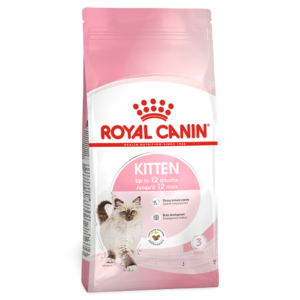


ROYAL CANIN VETERINARY DIET Hypoallergenic Adult Dry Cat Food
500+ bought in the past month
$130.99
($2.91/100g)

Hill’s Prescription Diet I/D Digestive Care Dry Cat Food
500+ bought in the past month
$59.99
($3.33/100g)

Hill’s Science Diet Sensitive Stomach & Skin Adult Dry Cat Food
500+ bought in the past month
$68.99
($2.18/100g)

Hill’s Prescription Diet Metabolic Weight Loss & Maintenance Dry Cat Food
500+ bought in the past month
$57.99
($3.87/100g)
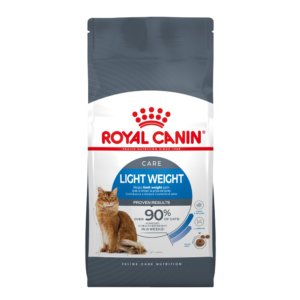

ROYAL CANIN VETERINARY DIET Satiety Dry Adult Cat Food
500+ bought in the past month
$96.99
($2.77/100g)

Hill’s Science Diet Chicken Recipe Adult Cat Dry Food
500+ bought in the past month
$99.99
($1.67/100g)

ROYAL CANIN Indoor 7 Plus Adult Dry Cat Food
500+ bought in the past month
Original price was: $66.99.$58.99Current price is: $58.99.
($1.69/100g)

Hill’s Prescription Diet Z/D Skin Food Sensitivities Original Flavour Dry Cat Food
500+ bought in the past month
$66.99
($3.72/100g)
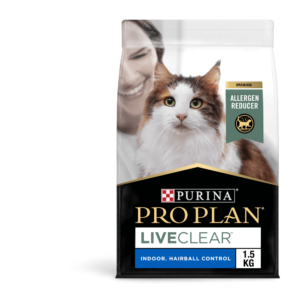
PRO PLAN Live Clear Indoor Hairball Control Adult Dry Cat Food
300+ bought in the past month
$75.99
($2.53/100g)

ADVANCE Multi Cat Chicken And Ocean Fish All Lifestages Dry Cat Food
300+ bought in the past month
$194.99
($0.97/100g)


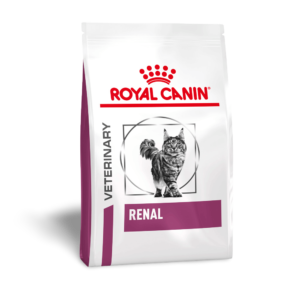
ROYAL CANIN VETERINARY DIET Renal Adult Dry Cat Food
300+ bought in the past month
$60.99
($3.05/100g)
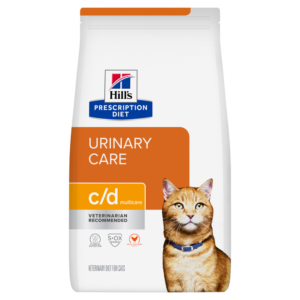
Hill’s Prescription Diet C/D Multicare Urinary Care Dry Cat Food
300+ bought in the past month
$118.99
($3.09/100g)


ROYAL CANIN VETERINARY DIET Anallergenic Adult Dry Cat Food
300+ bought in the past month
$132.99
($3.32/100g)


PURINA ONE Urinary Care Chicken Adult Dry Cat Food
300+ bought in the past month
$59.99
($1.00/100g)
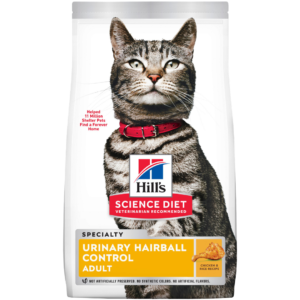
Hill’s Science Diet Urinary Hairball Control Adult Dry Cat Food
300+ bought in the past month
$67.99
($2.14/100g)


Hill’s Prescription Diet C/D Multicare Stress Urinary Care Plus Metabolic Weight Dry Cat Food
300+ bought in the past month
$108.99
($3.78/100g)

ROYAL CANIN VETERINARY DIET Calm Adult Dry Cat Food
300+ bought in the past month
$108.99
($2.72/100g)


Hill’s Science Diet Senior 7 Plus Indoor Dry Cat Food
200+ bought in the past month
$68.99
($2.18/100g)
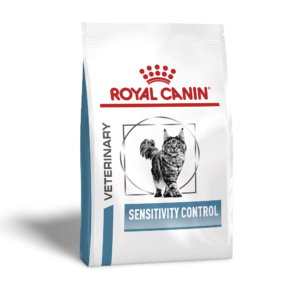
ROYAL CANIN VETERINARY DIET Sensitivity Control Adult Cat Dry Food
200+ bought in the past month
$54.99
($3.67/100g)
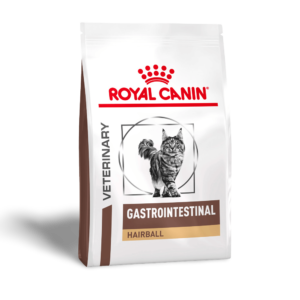
ROYAL CANIN VETERINARY DIET Gastrointestinal Hairball Dry Cat Food
200+ bought in the past month
$110.99
($2.77/100g)


Hill’s Prescription Diet K/D Kidney Care Dry Cat Food
200+ bought in the past month
$69.99
($3.89/100g)


PURINA ONE Salmon & Tuna Healthy Adult Dry Cat Food
200+ bought in the past month
$19.99
($1.33/100g)
 SALE
ORIJEN Original All Lifestages Dry Cat Food
200+ bought in the past month
Original price was: $102.99.$87.54Current price is: $87.54.
($2.76/100g)
 SALE
FELINE NATURAL Lamb & King Salmon All Lifestages Freeze Dried Cat Food
200+ bought in the past month
Original price was: $47.99.$40.79Current price is: $40.79.
($12.75/100g)
 SALE
ADVANCE Adult Indoor Chicken Dry Cat Food
200+ bought in the past month
Original price was: $98.99.$84.14Current price is: $84.14.
($1.05/100g)

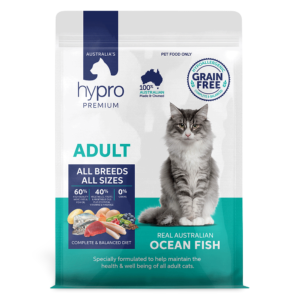
HYPRO PREMIUM Ocean Fish Grain Free Adult Dry Cat Food
200+ bought in the past month
$74.99
($0.83/100g)
Dry Cat Food & Kibble: Balanced Nutrition for Cats
Dry cat food, also known as kibble, is a convenient and cost-effective option for cat owners. It has a long shelf life, making storage easy, and provides a crunchy texture that helps support dental health by reducing plaque buildup. Many high-quality dry cat foods are formulated with essential proteins, vitamins, and minerals to support overall health.
Grain-free, high-protein, and limited-ingredient kibble options cater to cats with specific dietary needs. Some formulas include added probiotics for digestive health, while others focus on skin and coat care with omega fatty acids. Choosing a nutritionally balanced dry cat food ensures your feline gets all the essential nutrients while enjoying a satisfying crunch.
Frequently Asked Questions about Dry Food for Cats
How much dry food should I feed my cat daily?
To calculate how much dry food your cat needs to be fed daily, check the daily recommended feeding amounts on the packaging. The nutritional needs of individual animals can vary depending on a number of factors, including lifestage, lifestyle, level of activity, weight and body condition score. They should also take into account any other sources of nutrition, such as treats and wet food to ensure your cat's diet remains balanced and to avoid overfeeding. For the most accurate recommended feeding amount for your cat, request a free Vet Pet Plan from a Pet Circle veterinarian or consult your regular veterinarian for more advice.
Is dry cat food healthier?
Dry cat food can be healthy if it is formulated with high-quality ingredients and balanced nutrition. It has benefits such as convenience, longer shelf life, and in some products, support for dental health through the mechanical removal of plaque when the kibble is chewed. However, it is important to ensure that any dry food fed to your cat provides complete and balanced nutrition. Wet food or a combination of both may also be beneficial for hydration and variety. Regardless of whether you feed wet food, dry food or both, your cat should always have access to plenty of clean, fresh drinking water.
What is the best dry cat food for weight loss?
If your cat is overweight or obese, it can predispose them to a number of health issues including diabetes and urinary tract issues. By feeding a specialised weight control diet, you can help to safely reduce your cat's body fat while retaining lean muscle mass and keeping them feeling satisfied between meals. Always check with a veterinarian prior to starting your pet on a weight loss diet as there may be underlying health issues that could be exacerbated by feeding a diet that does not suit their specific health needs.
Can dry food help with my cat’s dental health?
Yes, dry cat food can help with dental health. The texture of dry food may help reduce plaque and tartar buildup through chewing. For cats who are prone to developing dental disease, it can be beneficial to feed a specialised dental diet, which will be more effective and reduce plaque and tartar build up. Feeding dry food alone is not a substitute for regular dental care, and other strategies to support your cat's dental health should also be employed, such as tooth brushing, dental treats and water additives. Read our article Dental Care for Cats for more tips.
How should I store dry cat food?
Dry cat food should be stored in a cool, dry place to maintain its freshness and prevent spoilage. Keep the food in an airtight container to protect it from moisture and pests. Follow the storage instructions on the packaging and avoid using the food past its expiration date. A good rule of thumb when buying dry cat food is to choose a bag size that will be used up within three months or less after opening.