
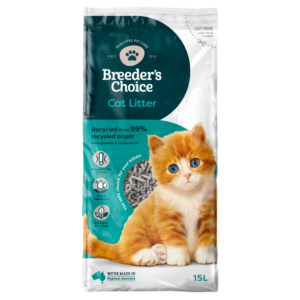
Breeders Choice Cat Litter
1000+ bought in the past month
Original price was: $22.99.$20.49Current price is: $20.49.
($0.14/100ml)
1000+ bought in the past month
($0.14/100ml)



 SALE
200+ bought in the past month
($0.38/100g)
 SALE
100+ bought in the past month
($0.50/100g)
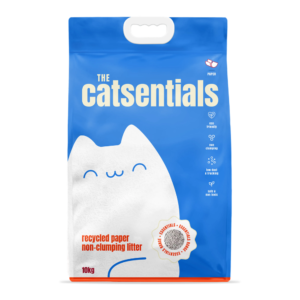 SALEPet Circle Exclusive
50+ bought in the past month
($0.18/100g)


10+ bought in the past month
($1.18/100ml)

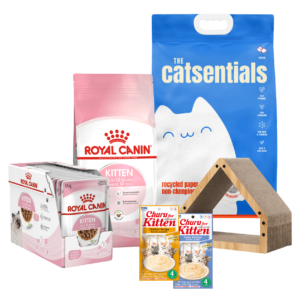 New
Non-clumping cat litter is a great option for pet owners who prefer a more affordable and low-maintenance choice. Unlike clumping litter, this type absorbs moisture without forming clumps, meaning it needs to be replaced more frequently. Non-clumping cat litter can be made from materials like clay, silica gel, or recycled paper, and it often offers superior odour control. It’s also less likely to stick to your cat’s paws, making it a cleaner option for some households.
Non-clumping cat litter is designed to absorb moisture without forming clumps, making it a simple, low-maintenance option. It is often made from materials such as clay, paper, wood, or silica crystals and is ideal for owners who prefer a full litter change rather than daily scooping.
Non-clumping cat litter should be scooped daily to remove solid waste, with a full litter tray change every few days to a week, depending on how quickly it becomes saturated. Regular cleaning helps prevent odours and keeps the tray hygienic.
Non-clumping cat litter can help absorb odours, but it may not be as effective as clumping litters, which lock in moisture. Some varieties include activated charcoal, baking soda, or scented additives to help with odour control. Frequent litter changes are essential for maintaining freshness.
Yes, non-clumping cat litter is often recommended for kittens, as it reduces the risk of ingestion-related blockages if they accidentally swallow it. Soft-textured varieties, such as paper or wood-based litter, can be gentler on delicate paws.
Non-clumping cat litter is typically highly absorbent, low-maintenance, and easy to dispose of, making it a convenient choice for some cat owners. It’s also available in a range of eco-friendly options, such as paper and wood pellets, which can be biodegradable and compostable.