
Kidney Problems Cat Food





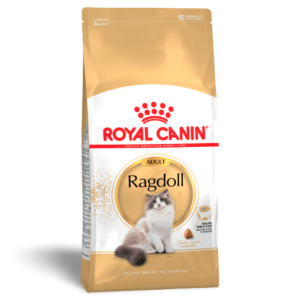
ROYAL CANIN Ragdoll Adult Dry Cat Food
Original price was: $56.99.$50.99Current price is: $50.99.
Save 11%
($2.55/100g)
 SALEPet Circle Exclusive
INSTINCTIVE BITE Lamb & Salmon Air Dried All Lifestages Dry Cat Food
Original price was: $37.99.$30.39Current price is: $30.39.
Save 20%
($6.08/100g)

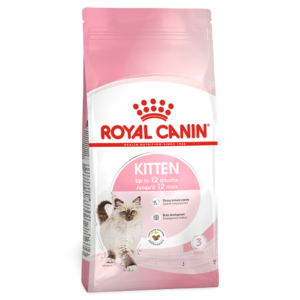


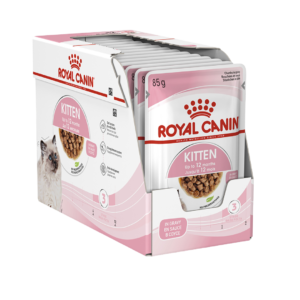
ROYAL CANIN Kitten Instinctive Gravy Wet Cat Food Pouches
Original price was: $127.99.$122.99Current price is: $122.99.
Save 4%
($3.01/100g)

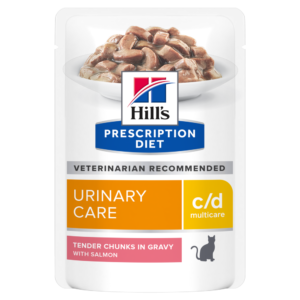




FANCY FEAST Grilled Poultry And Beef Collection Variety Pack Wet Cat Food Cans – 24 x 85g
24 x 85g
$30.59
($1.50/100g)


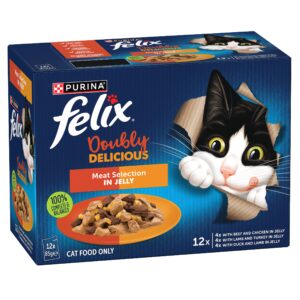


ROYAL CANIN Indoor 7 Plus Adult Dry Cat Food
Original price was: $66.99.$58.99Current price is: $58.99.
Save 12%
($1.69/100g)


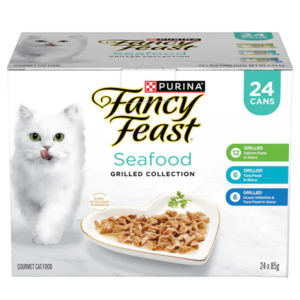
FANCY FEAST Grilled Seafood Collection Variety Pack Wet Cat Food Cans – 24 x 85g
24 x 85g
$30.59
($1.50/100g)

APPLAWS Fish Deluxe in Broth Multipack Adult Wet Cat Food Cans – 8 x 70g
8 x 70g
$16.49
($2.94/100g)



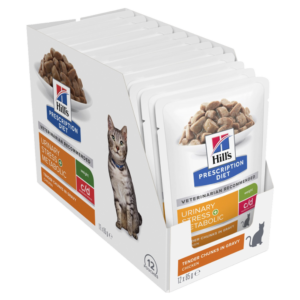
Cat Food for Kidney Disease: Specialised Renal Support
Cats with kidney disease require a specially formulated diet to support kidney function and reduce stress on their organs. Kidney-friendly cat food typically has reduced phosphorus, controlled protein levels, and increased moisture content to help maintain hydration and minimise toxin buildup.
These diets often contain added omega-3 fatty acids for anti-inflammatory benefits and antioxidants to support overall health. Prescription cat food for kidney disease is recommended for managing chronic kidney issues, as it helps slow disease progression and improves quality of life. Regular vet checkups and the right nutrition play a key role in keeping your cat comfortable.
Frequently Asked Questions about Cat Food for Kidney Problems
What ingredients should I look for in cat food for kidney problems?
For cats with kidney problems, the nutritional profile of the cat food is more important than the specific ingredients. Depending on the stage and severity of the kidney problems, as well as any other co occurring health conditions, the best food for a cat with kidney problems can vary. In general, diets to support cats with kidney problems will have a reduced phosphorus content, as this has been demonstrated to help conserve the remaining kidney function. In addition, diets for cats with kidney problems typically contain a modified level of highly digestible protein. This is because as the kidney function begins to decrease, breakdown products of proteins can build up in the bloodstream causing symptoms such as nausea and vomiting. If you suspect your cat has kidney problems, it is essential to consult your veterinarian for a diagnosis and personalised treatment plan.
Can a special diet improve my cat's kidney health?
A special diet is a cornerstone of treating kidney disease, but it's not a cure. Special kidney diets for cats reduce the strain on the kidneys, as well as addressing other issues such as elevated blood pressure, nausea and reduced appetite. Remember that regular veterinary check-ups and monitoring of your cat's kidney function are essential for effective management. Learn more about diagnosis and treatment of kidney disease in cats.
How do I transition my cat to kidney-friendly food?
If your vet has recommended transitioning your cat onto kidney friendly food, it is best to follow their guidance regarding transitioning your cat to their new diet. While a gradual transition can help reduce tummy upsets and help your cat adjust to the change in taste, texture and smell, in some cases it may be better to do a quick transition to help reduce the strain on your cat's kidneys and help them to feel better, sooner. Be patient with your cat if they reject their new food initially, however if they persistently refuse to eat it, consult your veterinarian as there are special kidney diets for cats designed for cats who are fussy eaters or have a reduced appetite.
What are the symptoms of kidney disease in cats?
Kidney disease is one of the most common health conditions affecting cats as they age. Symptoms can include increased thirst and increased urination, loss of appetite, weight loss, vomiting, diarrhoea, lethargy, weakness, bad breath, poor coat quality and behavioural changes. If your cat is displaying any of these symptoms, it is important to consult a veterinarian to ensure an accurate diagnosis and appropriate treatment plan. Typically urine and blood tests are required to confirm a diagnosis of kidney disease, although other tests may be required depending on your cat's specific circumstances.
Can wet or dry food help manage my cat’s kidney issues?
Both wet and dry food can play a role in managing kidney disease in cats. Wet food can be very helpful in improving hydration, which is essential for managing kidney issues, while dry food is also suitable in many cases, providing sufficient drinking water is consumed. Special diets for kidney disease in cats come in both wet food and dry food forms, your veterinarian will recommend which are best suited to your cat's specific needs.