
 SALE
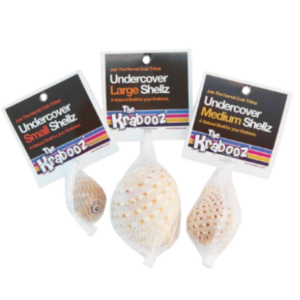
KRABOOZ Undercover Spare Shell For Hermit Crabs
Original price was: $8.99.$7.19Current price is: $7.19.
Save 20%
SALE
Save 20%





 SALE
Save 10%
 SALE
Save 20%
($1.87/100ml)
Out of stock
 SALE
Save 20%
 Clearance
Creating the perfect reptile habitat involves heating, lighting, and proper substrate. Reptile heating and lighting systems like heat lamps and UVB bulbs regulate temperature and promote proper digestion. Terrarium bedding and substrates, such as coconut fibre or reptile sand, help replicate natural environments. Adding hides, climbing branches, and water dishes enhances their well-being.
A well-designed reptile habitat should closely mimic your pet’s natural environment. Essential components include:
- A suitable enclosure (glass, melamine, wood or plastic, depending on species)
- Heating and lighting (a basking area and UVB lighting for most reptiles)
- Substrate (sand, organic or non-organic, depending on species)
- Hides and shelters for security and stress reduction
- Climbing structures (branches, rocks, and vines for arboreal species)
- A water source (shallow dish for drinking and soaking, if required)
Reptiles need hiding spots to feel secure and reduce stress. Without proper hiding areas, they may become anxious and refuse to eat. Provide at least two hides—one in the warm zone and one in the cool zone—so your reptile can regulate its body temperature while feeling safe. Natural-looking caves, logs, or artificial hides work well.
Adding naturalistic decorations like logs, branches, rocks, and artificial plants enhances your reptile’s habitat by encouraging natural behaviours. Climbing species, such as geckos and pythons, benefit from vines and elevated perches, while ground-dwelling reptiles, like blue-tongue lizards, enjoy textured surfaces and tunnels. Accessories should be safe, non-toxic, and easy to clean.