
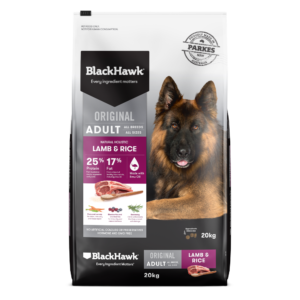
Dry Dog Food
Active filters:
Premium Clear all
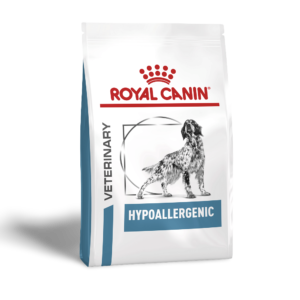
ROYAL CANIN VETERINARY DIET Hypoallergenic Adult Dry Food
1000+ bought in the past month
$215.99
($1.54/100g)

ROYAL CANIN Labrador Retriever Adult Dry Dog Food
1000+ bought in the past month
$128.99
($1.07/100g)

ROYAL CANIN VETERINARY DIET Gastro Intestinal Low Fat Adult Dry Dog Food
1000+ bought in the past month
$102.99
($1.72/100g)
 New

 SALEPet Circle Exclusive
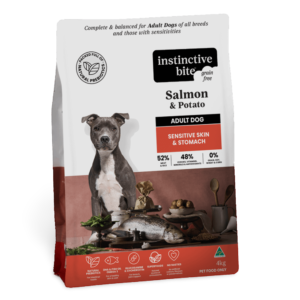
INSTINCTIVE BITE Sensitive Skin & Stomach Salmon Grain Free Adult Dry Dog Food
1000+ bought in the past month
Original price was: $126.99.$114.29Current price is: $114.29.
($0.76/100g)
 New

ROYAL CANIN VETERINARY DIET Anallergenic Dry Dog Food
1000+ bought in the past month
$173.99
($2.17/100g)
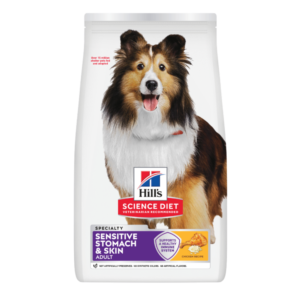
Hill’s Science Diet Sensitive Stomach & Skin Adult Dry Dog Food
1000+ bought in the past month
$136.99
($1.14/100g)

Hill’s Prescription Diet Gastrointestinal Biome Digestive Fibre Care Chicken Adult Dry Dog Food
1000+ bought in the past month
$84.99
($2.36/100g)

BLACK HAWK Healthy Benefits Sensitive Skin & Gut Adult Dry Dog Food
500+ bought in the past month
$150.99
($1.26/100g)

Hill’s Science Diet Chicken & Barley Recipe Adult Dry Dog Food
500+ bought in the past month
$124.99
($1.04/100g)
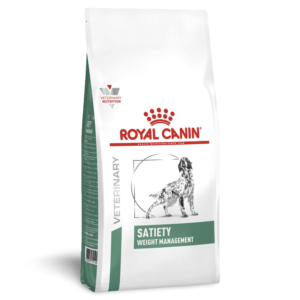
ROYAL CANIN VETERINARY DIET Satiety Dry Adult Dog Food
500+ bought in the past month
$185.99
($1.55/100g)
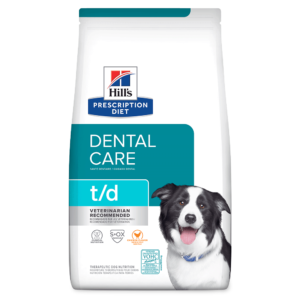
Hill’s Prescription Diet T/D Dental Care Adult Dry Dog Food
500+ bought in the past month
$185.99
($1.65/100g)
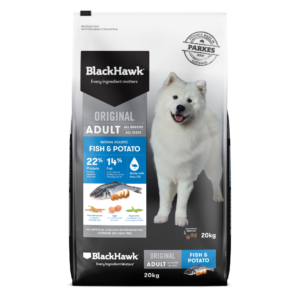
BLACK HAWK Fish & Potato Adult Dry Dog Food
500+ bought in the past month
Original price was: $160.99.$159.99Current price is: $159.99.
($0.80/100g)
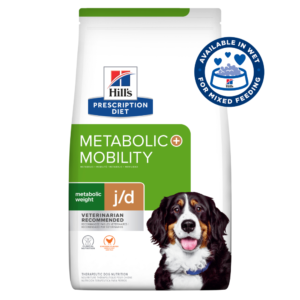
Hill’s Prescription Diet J/D Metabolic & Mobility Adult Dry Dog Food
500+ bought in the past month
$209.99
($1.94/100g)

Hill’s Science Diet Perfect Weight Chicken Recipe Adult Dry Dog Food
500+ bought in the past month
Original price was: $160.99.$159.99Current price is: $159.99.
($1.41/100g)


Hill’s Prescription Diet I/D Digestive Care Low Fat Dry Dog Food
500+ bought in the past month
$147.99
($1.85/100g)

ADVANCE Medium Adult Dry Dog Food Chicken With Rice
500+ bought in the past month
$138.99
($0.93/100g)

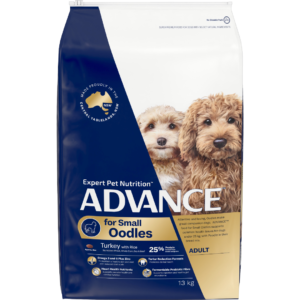
ADVANCE Small Oodles Dry Dog Food Turkey With Rice
500+ bought in the past month
$138.99
($1.07/100g)

Hill’s Prescription Diet Z/D Skin & Food Sensitivities Adult Dry Dog Food
500+ bought in the past month
$208.99
($1.85/100g)

BLACK HAWK Chicken & Rice Large Breed Adult Dry Dog Food
500+ bought in the past month
$147.99
($0.74/100g)
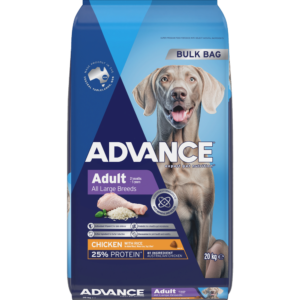
ADVANCE Large Adult Dry Dog Food Chicken With Rice
500+ bought in the past month
$178.99
($0.89/100g)

ROYAL CANIN Poodle Adult Dry Dog Food
500+ bought in the past month
Original price was: $116.99.$107.99Current price is: $107.99.
($1.44/100g)
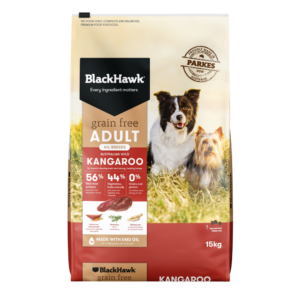
BLACK HAWK Kangaroo Grain Free Adult Dry Dog Food
500+ bought in the past month
Original price was: $176.99.$172.99Current price is: $172.99.
($1.15/100g)

Hill’s Science Diet Oral Care Chicken Recipe Adult Dry Dog Food
500+ bought in the past month
$154.99
($1.29/100g)

BLACK HAWK Healthy Benefits Weight Management Adult Dry Dog Food
500+ bought in the past month
$127.99
($1.28/100g)

BLACK HAWK Salmon Grain Free Adult Dry Dog Food
500+ bought in the past month
Original price was: $176.99.$172.99Current price is: $172.99.
($1.15/100g)
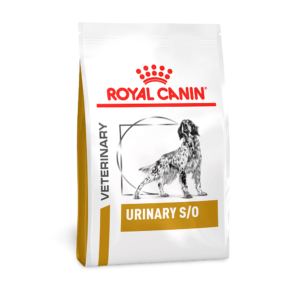
ROYAL CANIN VETERINARY DIET Urinary S/O Dry Dog Food
500+ bought in the past month
$59.99
($3.00/100g)

Hill’s Prescription Diet Metabolic Weight Loss & Maintenance Adult Dry Dog Food
500+ bought in the past month
$142.99
($2.60/100g)
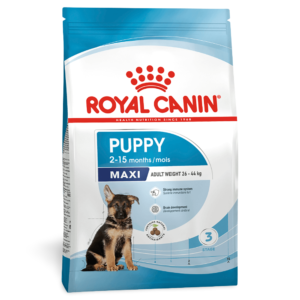

BLACK HAWK Lamb & Rice Small Breed Adult Dry Dog Food
500+ bought in the past month
$117.99
($1.18/100g)

Hill’s Prescription Diet T/D Small Bites Dental Care Dry Dog Food
500+ bought in the past month
$59.99
($2.67/100g)
 SALEPet Circle Exclusive
INSTINCTIVE BITE Digestion & Immune Balance Kangaroo Grain Free Adult Dry Dog Food
500+ bought in the past month
Original price was: $126.99.$114.29Current price is: $114.29.
($0.76/100g)
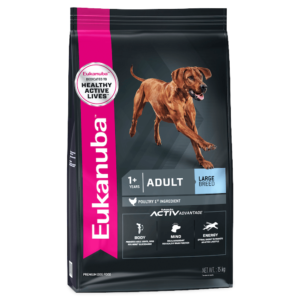
EUKANUBA Activ Advantage Large Breed Adult Dry Dog Food
300+ bought in the past month
$141.94
($0.95/100g)
 SALEPet Circle Exclusive
INSTINCTIVE BITE Bone & Joint Support Chicken Grain Free Adult Dry Dog Food
300+ bought in the past month
Original price was: $126.99.$114.29Current price is: $114.29.
($0.76/100g)

BLACK HAWK Healthy Benefits Joints & Muscles Chicken Adult Dry Dog Food
300+ bought in the past month
$150.99
($1.26/100g)


ROYAL CANIN Medium Digestive Care Adult Dry Dog Food
300+ bought in the past month
$178.99
($1.49/100g)

Hill’s Science Diet Small Bites Chicken & Barley Adult Dry Dog Food
300+ bought in the past month
$103.99
($1.53/100g)
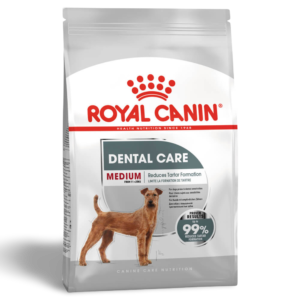
ROYAL CANIN Medium Adult Dental Care Dry Dog Food
300+ bought in the past month
$154.99
($1.55/100g)
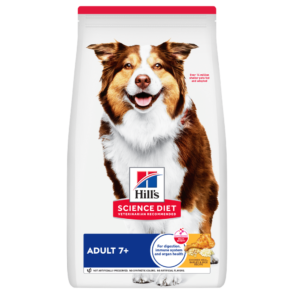
Hill’s Science Diet 7 Plus Chicken Barley & Rice Senior Dry Dog Food
300+ bought in the past month
Original price was: $291.99.$277.99Current price is: $277.99.
($1.16/100g)

Hill’s Prescription Diet C/D Multicare Urinary Dry Dog Food
300+ bought in the past month
$174.99
($2.19/100g)
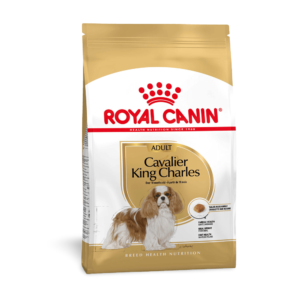
ROYAL CANIN Cavalier King Charles Adult Dry Dog Food
300+ bought in the past month
$58.99
($1.97/100g)
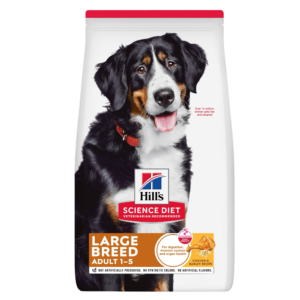
Hill’s Science Diet Chicken & Barley Large Breed Adult Dry Dog Food
300+ bought in the past month
$134.99
($1.12/100g)
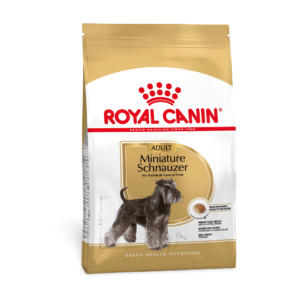
ROYAL CANIN Miniature Schnauzer Adult Dry Dog Food
300+ bought in the past month
$114.99
($1.53/100g)
Dry Dog Food: Premium Kibble for All Life Stages
Dry dog food, or kibble, is a popular and convenient choice for pet owners due to its long shelf life and easy storage. There are a variety of different kinds of dry dog food available, including premium scientific formulas as well natural, grain free and limited ingredient recipes. Many formulas cater to the specific needs of different breeds and sizes, including small, medium and large breeds, as well as the differing needs of each lifestage, from puppy to adult to senior.
Frequently Asked Questions about Dry Food for Dogs
What are the benefits of feeding my dog dry food?
Dry food can be a convenient and healthy option for ensuring your dog has a healthy, complete and balanced diet. The benefits of feeding your dog dry food include:
- Dental Health: Dry food can help clean your dog's teeth by mechanically reducing plaque build up, some formulas also contain ingredients which bind salivary calcium to inhibit tartar formation. It's important to note that feeding dry food alone is not sufficient to prevent dental disease in dogs, but it can play a part in their overall dental health management plan.
- Convenience: Dry food is easy to store and transport and can be less messy than other formats such as wet food.
Weight Management: Dry food can be a good option for weight management, as it's easier to measure portions accurately.
How should I store dry dog food to keep it fresh?
In order to keep dry dog food as fresh as possible, avoid as much as possible exposing it to moisture and air, as this can cause it to become stale or mouldy sooner. Store dry dog food in a cool, dry place, avoid storing dry food in areas with high humidity or extreme temperatures. Keep the bag sealed until you need to use it, once opened, seal the bag tightly to prevent moisture and pests from entering. If you use a container or bin to store the dry food, keep the food in the bag inside rather than decanting it completely, this helps reduce the amount of air and moisture that can enter the bag. Most dry dog food has a recommended shelf life once opened, formulations may vary, but a good rule of thumb is that it should be consumed within 3 months of opening. Always check food prior to feeding to ensure there are no signs of mould growth or pests.
Can you mix wet and dry dog food?
Yes, you can mix dry and wet dog food. Combining wet and dry dog food can offer a well-rounded diet. Both options have unique advantages, catering to different nutritional needs and preferences. Wet dog food has a higher moisture content can be beneficial for hydration, especially in warmer climates or for dogs with kidney or urinary tract issues, it is also often more palatable, making it a good choice for picky eaters and can be easier to digest, promoting better nutrient absorption.
Is dry dog food better for dental health?
Dry dog food can definitely play a role in supporting your dog's dental health. The abrasive nature of dry food can help remove plaque build up on your dog's teeth. In addition, some dry dog foods also contain ingredients to bind salivary calcium, which can reduce tartar formation. Veterinary therapeutic dental diets tend to be the most effective at reducing plaque and tartar formation, but it's important to check with your vet prior to switching your dog to one. Crucially, dry dog food alone is not sufficient to keep your dog's teeth and gums healthy, it should be combined with regular dental care including toothbrushing, dental chews and professional dental cleanings.
How do I choose the right dry food for my dog's breed?
To choose the right dry food for your dog's breed, consider their size (small, medium, large, giant) as well as lifestage (puppy, adult, senior). Many premium science brands offer formulas tailored to specific breed sizes, and in some cases also specific breeds including Labrador Retrievers, German Shepherds and Oodles.
Breed-specific diets are tailored to address the unique health and nutritional needs of individual dog breeds. These diets often incorporate nutraceuticals known to prevent common ailments in the target breed. For example, a diet for French Bulldogs might include ingredients to reduce flatulence, while a diet for Retrievers could contain L-carnitine for weight management. Premium manufacturers develop these diets using rigorous research and quality control. They often feature high-quality ingredients and include nutritional additives backed by scientific evidence. Many breed diets have specialised kibble shapes to accommodate the breed's jaw structure and promote dental health.